


Image gallery for the 10th Global Gypsum Conference which took place in Paris, France on 25-26 October 2010.

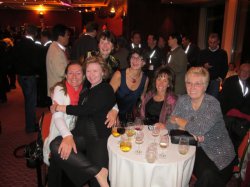
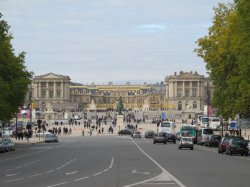
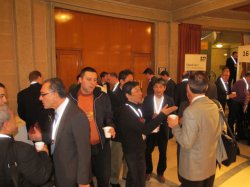
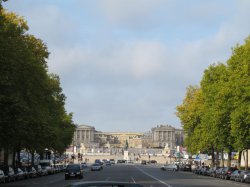
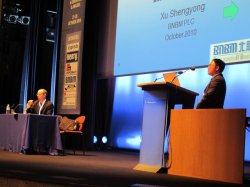
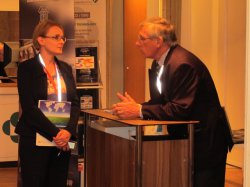

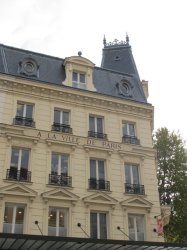
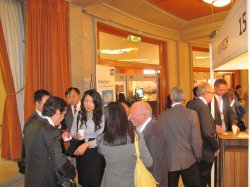
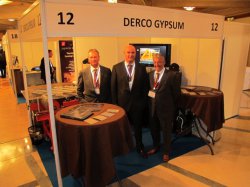
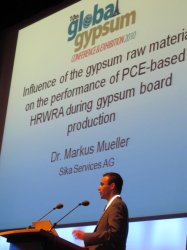
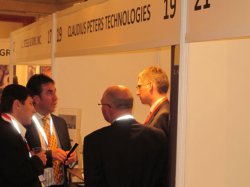
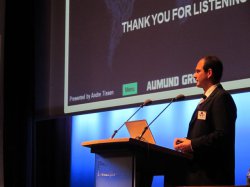
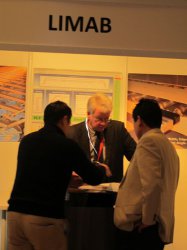

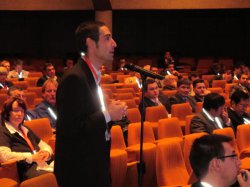
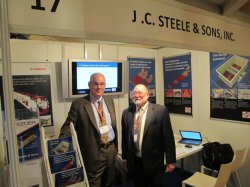
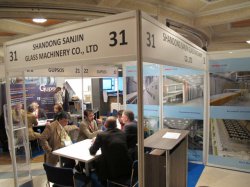
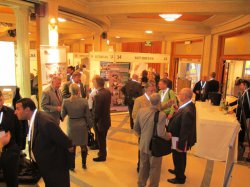
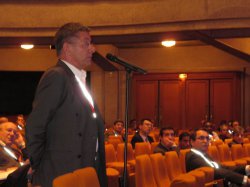
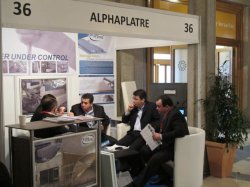
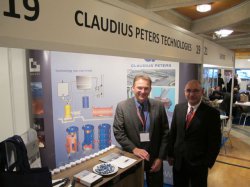
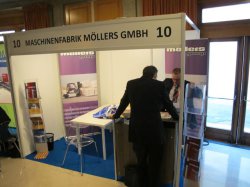
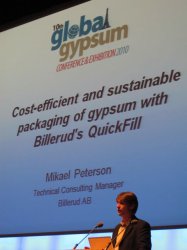
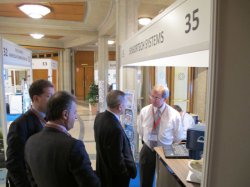
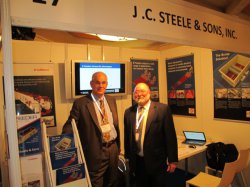
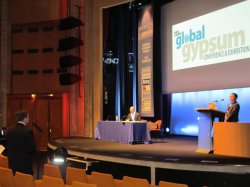
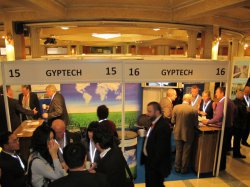
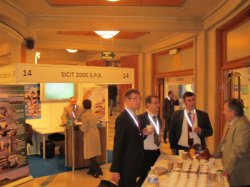
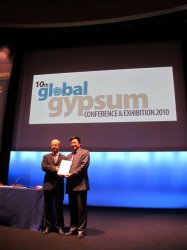
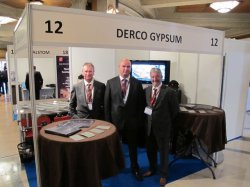
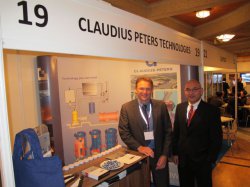
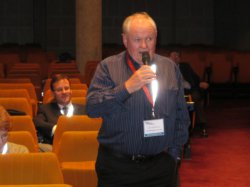
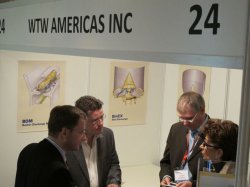
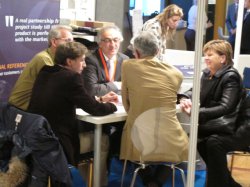
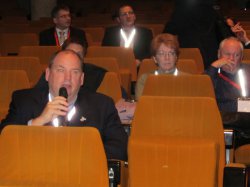
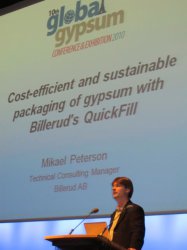

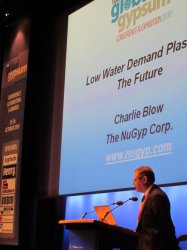
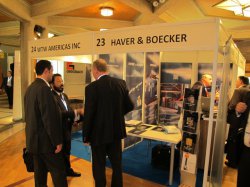
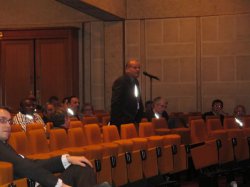

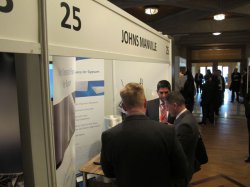
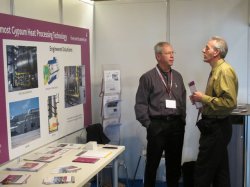
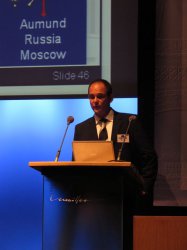
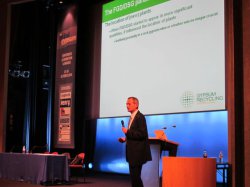
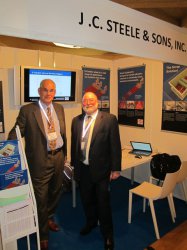
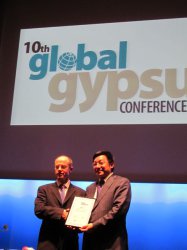
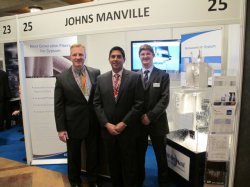
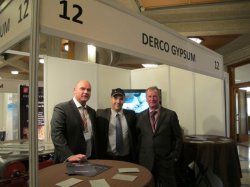
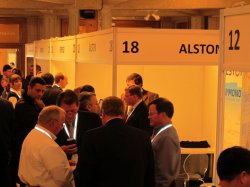
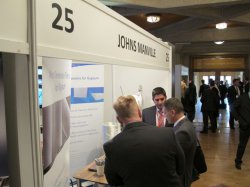
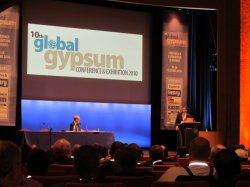
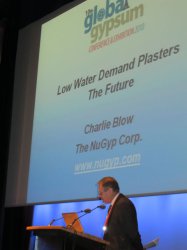
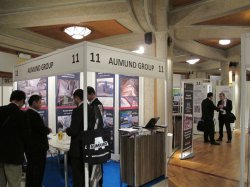

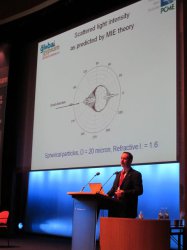
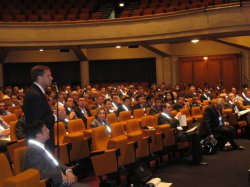
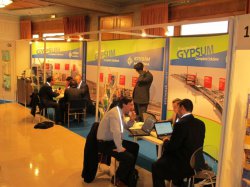
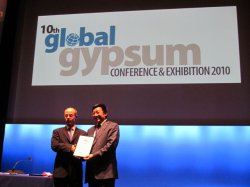
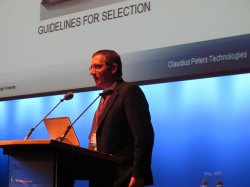
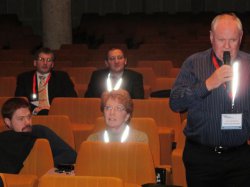
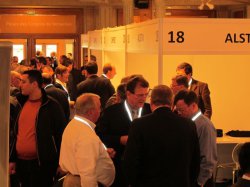
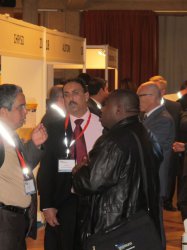
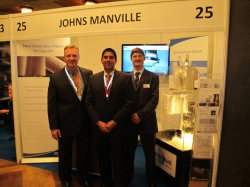
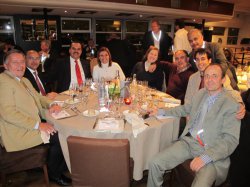
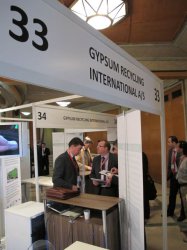
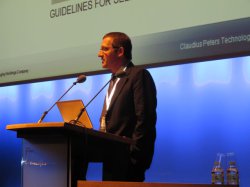
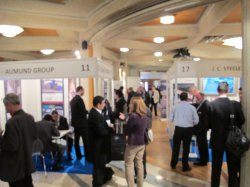
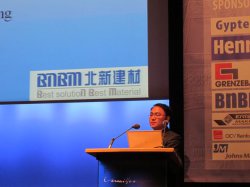
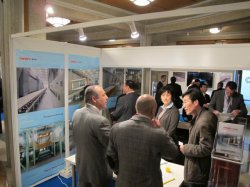
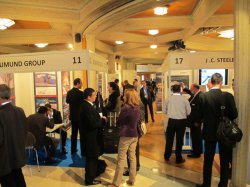

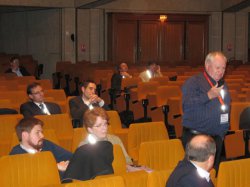
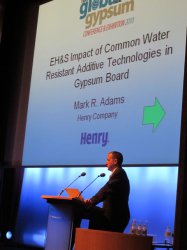
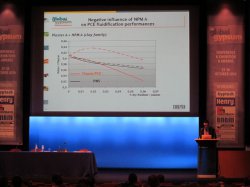
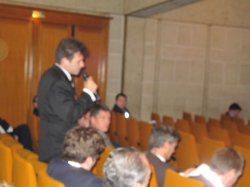
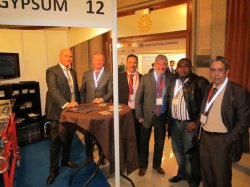
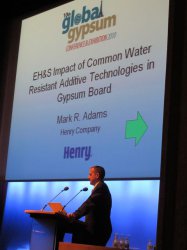
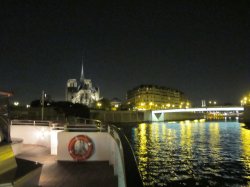
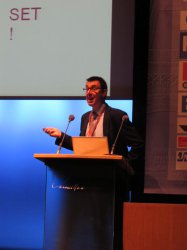
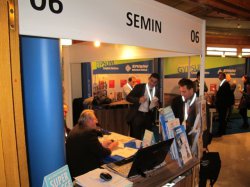
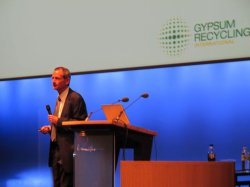
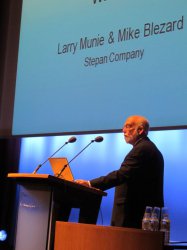
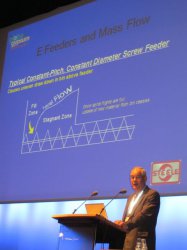
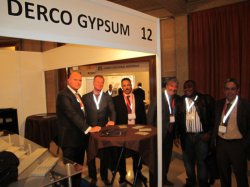
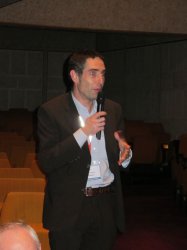
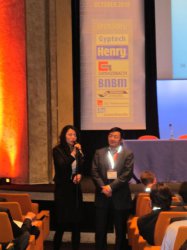
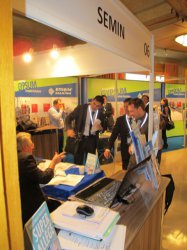
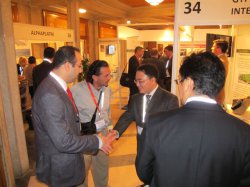

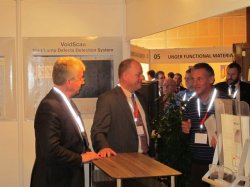
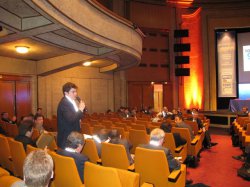
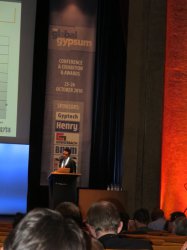

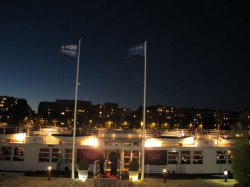
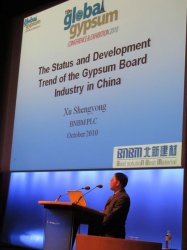
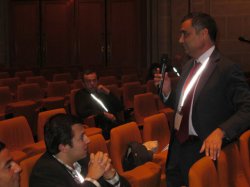
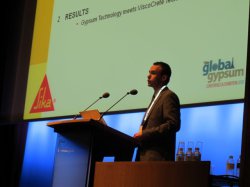
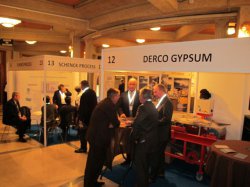
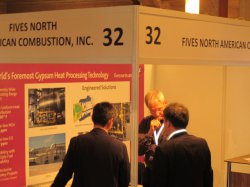
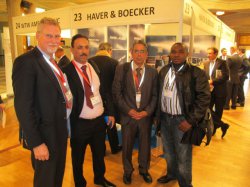
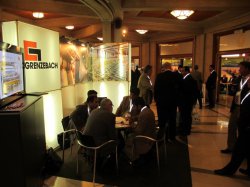
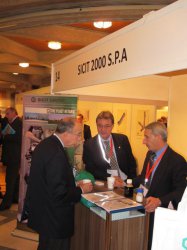

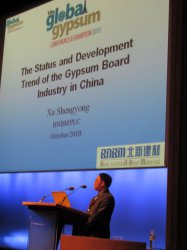

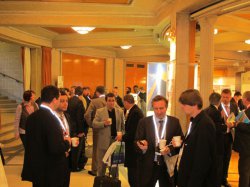
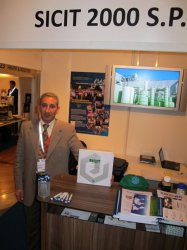
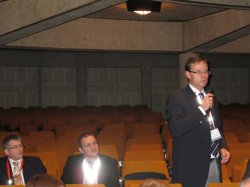
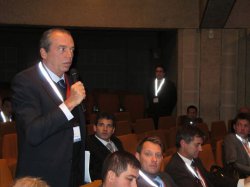
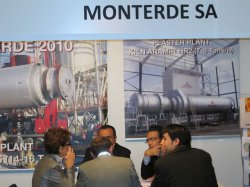
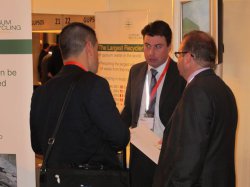
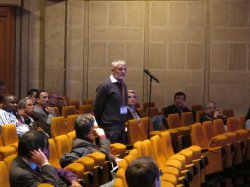
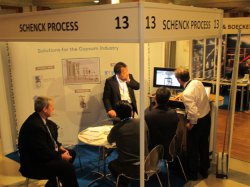
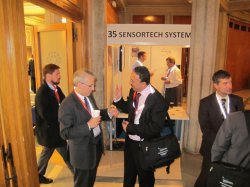
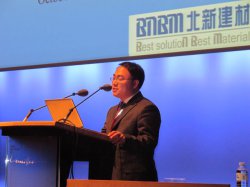
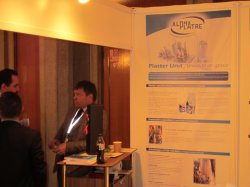
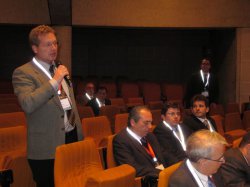
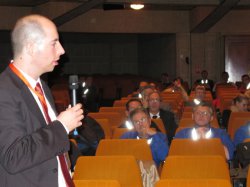
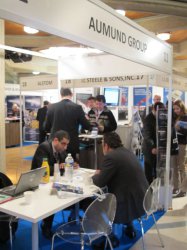
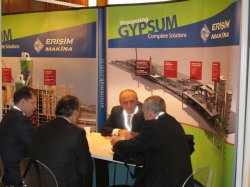
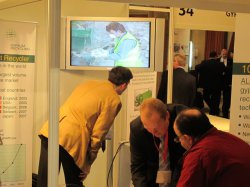
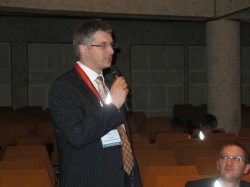
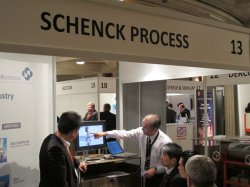
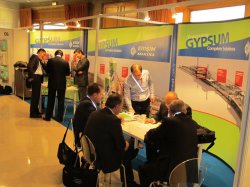
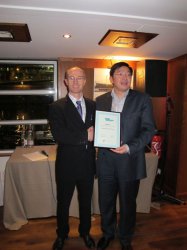
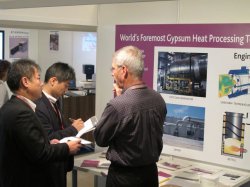
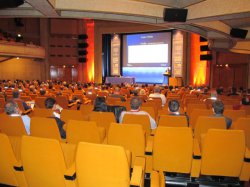
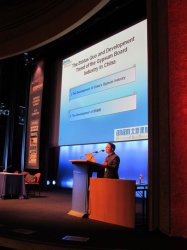


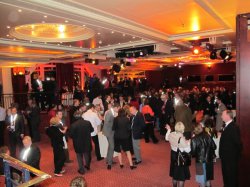
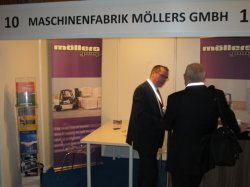
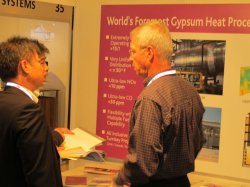
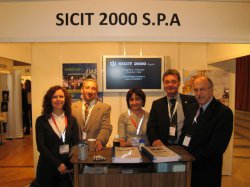

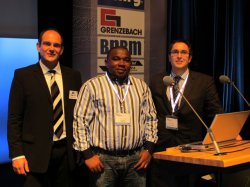

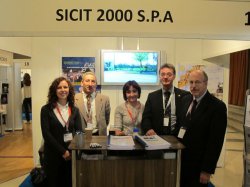
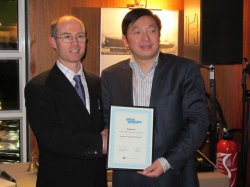
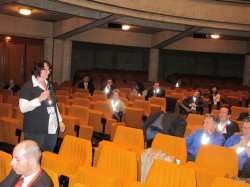
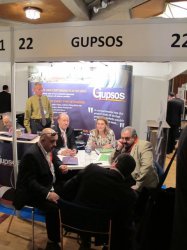
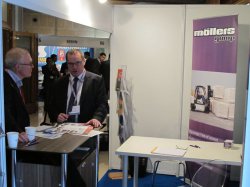
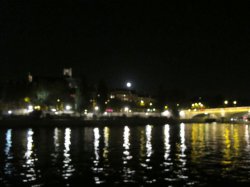
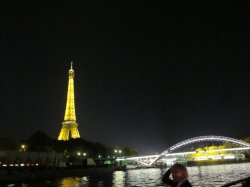
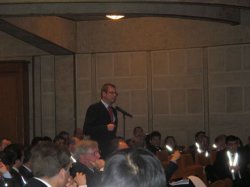
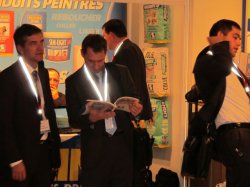
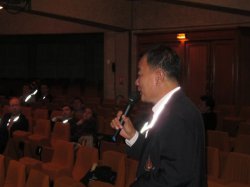
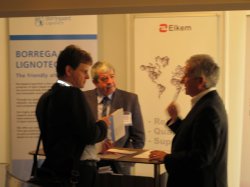
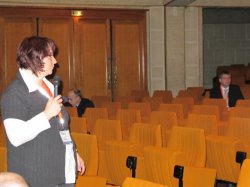
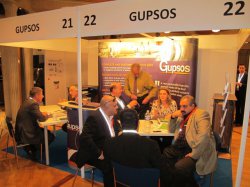
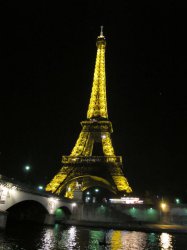
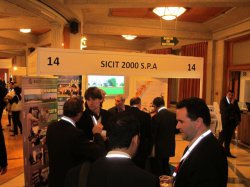

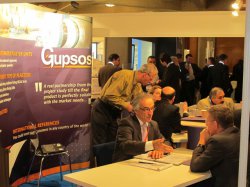
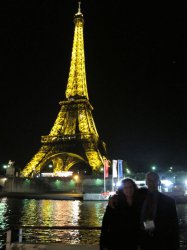
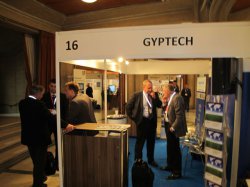
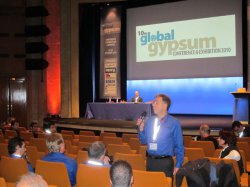
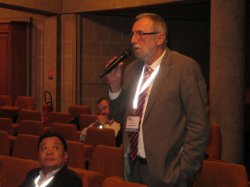
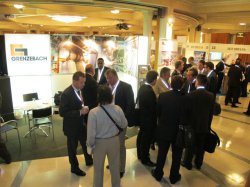
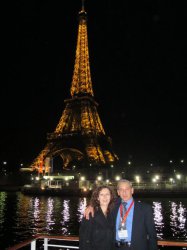
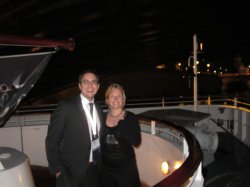
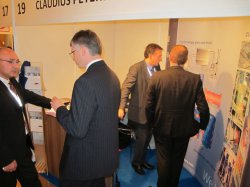

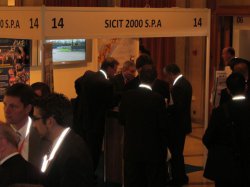
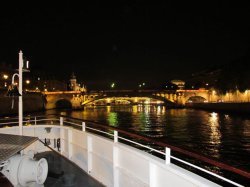
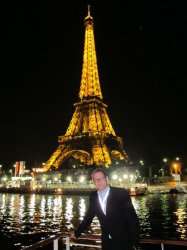
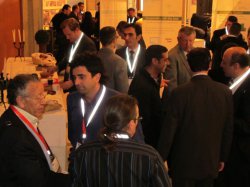
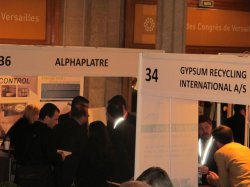
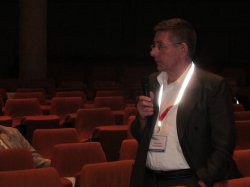
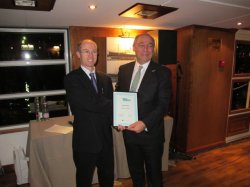
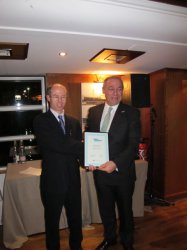
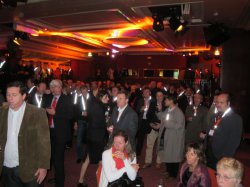
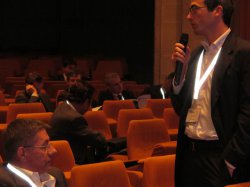
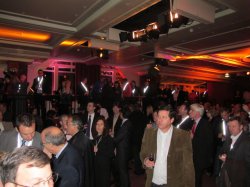
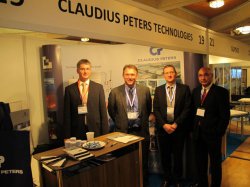
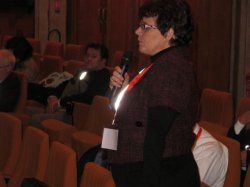
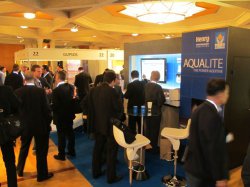
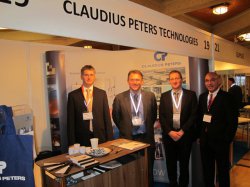
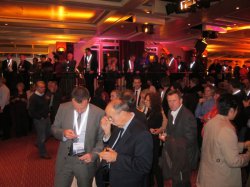
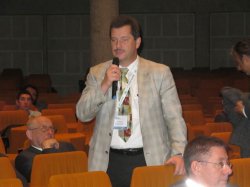
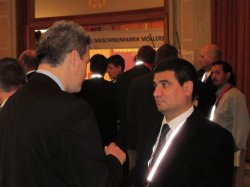
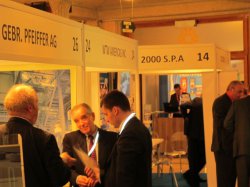

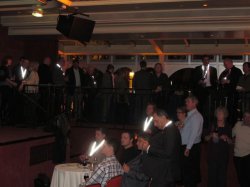
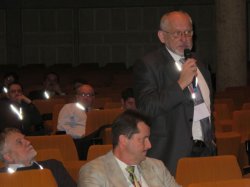
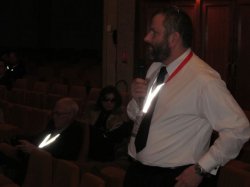
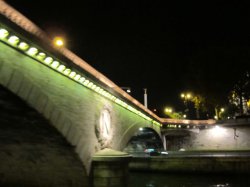
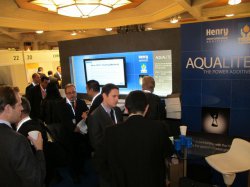
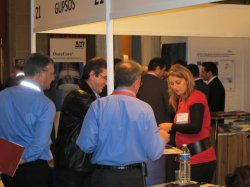
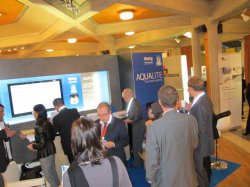
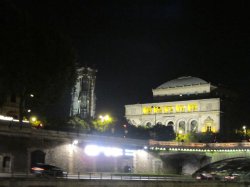
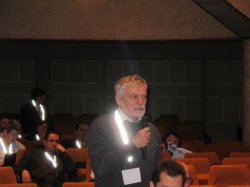
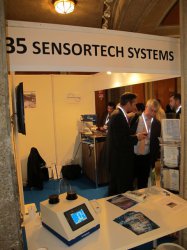
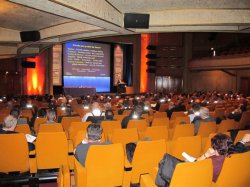
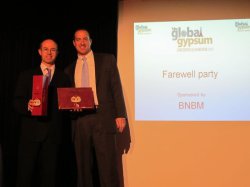
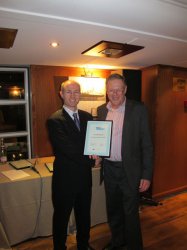
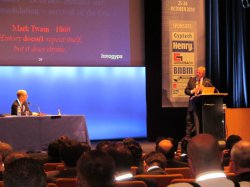
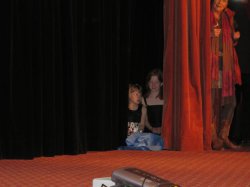
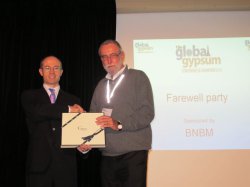
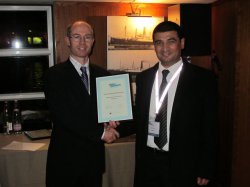
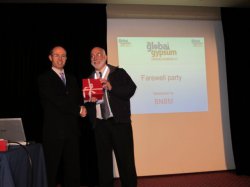
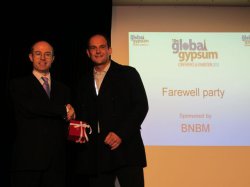
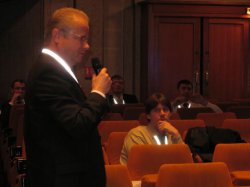
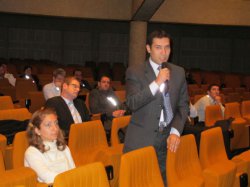
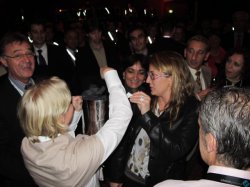
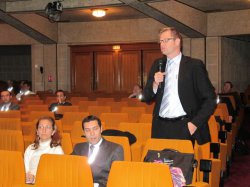
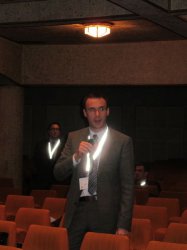
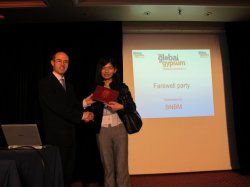
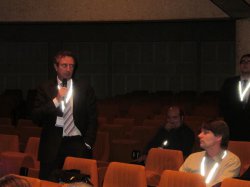
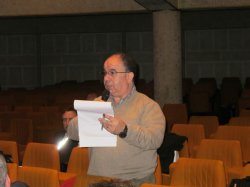
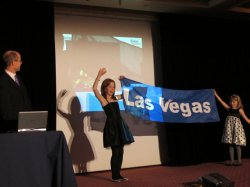
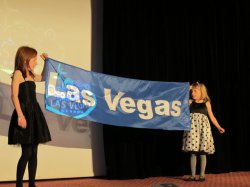
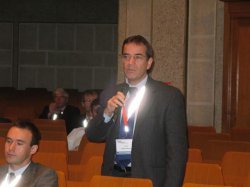
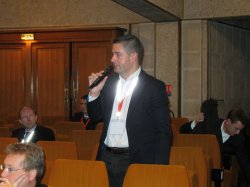
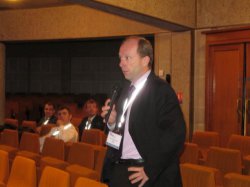
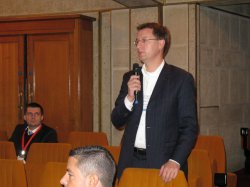
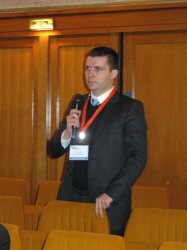
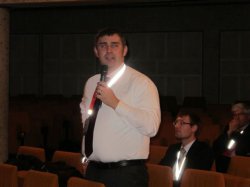
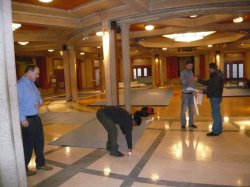
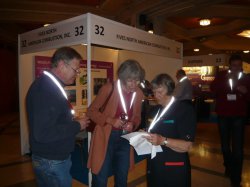
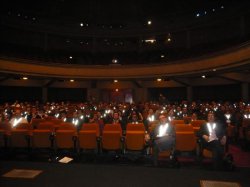
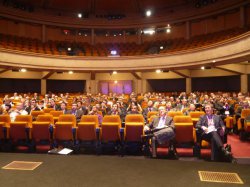
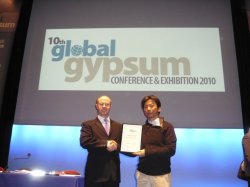
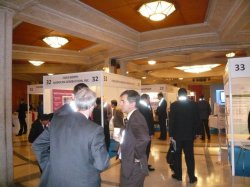
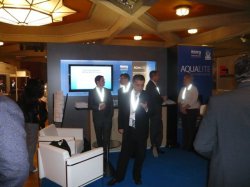
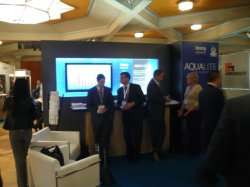

Image gallery for the 10th Global Gypsum Conference which took place in Paris, France on 25-26 October 2010.
10th Global Gypsum Conference 2010
25-26 October, Paris, France
Review by Dr Peter Edwards, deputy editor, Global Gypsum Magazine
Image gallery for the 10th Global Gypsum Conference 2010
 The Palais de Congrès in Versailles was the host venue for the 10th Global Gypsum Conference and Exhibition, held on 25 - 26 October 2010. The conference was the largest ever meeting of global gypsum industry figures, with 350 delegates attending from 35 different countries. The full presentation programme treated delegates to 20 presentations covering such diverse areas as global gypsum trends, new gypsum developments, additives for improved performance and profitability, quality control, and handling and dispatch of gypsum. Nearly 300 delegates attended the Gala Dinner on board a Seine cruiser and the venue for the 11th Global Gypsum Conference and Exhibition – ‘Fabulous’ Las Vegas, Nevada USA - was announced at the Farewell Dinner on the first floor of the Eiffel Tower to an enthusiastic reception.
The conference began with a well-attended drinks reception at the exhibition area within the Palais de Congrès on the evening of 24 October 2010, allowing delegates their first chance for networking at the conference.
The conference itself began on the morning of 25 October 2010 at 09:00 sharp, with a welcome address by conference convenor Dr Robert McCaffrey. He noted that this was the largest meeting of global gypsum industry figures ever. Delegates were welcomed warmly, being asked to stand and greet fellow delegates in their native language, nation by nation.
The first speaker of the conference was Bob Bruce of Innogyps, whose presentation opened the session covering global gypsum trends. He gave a concise summary of how the global gypsum industry has been affected by ‘megatrends’ up to the present and where he sees the industry is headed in the future. He highlighted that there had been a huge influence on the industry from factors such as the increased amount and propagation of easily available information, changes in the location and relative wealth of the world’s ever-growing population, the shift of global power to developing economies in the East and the increasingly important effects of energy-efficiency and wider environmental sustainability.
 Turning his attention to the gypsum industry, Bob highlighted that the market for gypsum is predicted to grow steadily in the next several years, with an increasing shift away from its established markets. He observed that whilst the US historically accounted for around 50% of the market, the spread of wallboard into Europe in recent decades is now being replicated in other regions, with shipments in these regions expected to surpass those in US and Europe combined by 2025. He predicted that as the world’s population increases in wealth, there would be a shift of emphasis from construction to remediation applications due to an overall decrease in new construction. He commented that this trend was already affecting the types of board produced, with an obvious trend for increasingly lightweight boards. He also noted the explosion in different types of specialist board now being produced in an effort to differentiate for different applications.
Concluding, he stated that the gypsum industry now has opportunities to reduce the energy-intensity of its production through increased efficiency, to reduce transport costs due to reduced board-weights and to reduce source material costs through increased gypsum recycling. He remained optimistic that new players would be able to enter the global gypsum industry alongside established producers but added that cost reduction would remain an important factor. Pushed by Robert McCaffrey to give a date for the recovery of the North American market, Bob said that he did not see a significant recovery during 2011, but that it ‘may’ start in 2012.
The second speaker was commodity specialist Rob Crangle of the US Geological Survey, who gave his presentation entitled ‘Production and international trade trends in the global gypsum industry.’ He took a detailed look at how US gypsum production has followed trends in the stock markets since the turn of the 20th Century, potentially a valuable source of information for any gypsum producer trying to look for the end of the current financial mire.
 Starting at 1900, Rob described the transition between a predominantly rural US population to an increasingly urban one. This transition was accompanied with a rapid rise in the size of cities and a high demand for gypsum wallboard. Following the First World War, demand rose to around 5Mt/yr by 1929 from just 750,000t/yr in 1900. The Great Depression took a massive toll on the US wallboard market, with levels of consumption in 1945 no better than the pre-recession figures of 1928 (~4Mt/yr). Following a rise in the use of gypsum in the US in the period 1946 to 1975 consumption hit a new high (~18Mt/yr), before the introduction of synthetic gypsum.
Rob concluded that every US economic recession was preceded by a peak in gypsum consumption. For the first half of the 20th Century, he showed that the lag-time between gypsum peaks and the onset of recessions were in the order of several months, but that since 1950, this had extended to a longer lag-time. The problem of course, is knowing when the peak has happened.
Rob was also asked about his expectations for a recovery in the American market. He responded that the situation at present was ‘frightening’ and that whilst he was unsure of gypsum consumption expectations for 2010, the pumice industry had experienced a 70% slump since 2007. It was observed that in all of the evidence presented by Rob Crangle, that a ‘double-dip’ recession had never been observed in the US.
The third presenter was Xu Shenyong from Beijing New Building Materials Company (BNBM). He described the rapid growth of the wallboard market in China since the opening of the country’s first wallboard plant in 1970 (4MM2/yr) and BNBM’s first plant in 1979 (20MM2/yr) to the position 30 years later, with 250 wallboard lines in China. He mentioned that growth rates since 2005 had been on a slight downward trend, from 6.8% in 2005 to 4.5% in 2009, but that growth in 2010 is expected to be 9%! Xu explained that whilst China has a capacity of 2.3BnM2/yr, it is currently using just 1.6BnM2/yr, 69% of that capacity. He noted that existing players had ‘tied-up’ the major sources of gypsum in the country, making costs prohibitive to newcomers.
 Reviewing BNBM, he stated that the company has approximately 1BnM2/yr of wallboard capacity in China. Its main market is still in public buildings but the potential for movement into the residential market could provide massive opportunities for growth. He announced that BNBM is committed to ‘going global’ and is looking to take strides into Africa and other developing areas.
Questioned by delegates about the problems with‘defective’ Chinese wallboard imported by the US in the mid 2000’s, Xu was adamant that whilst BNBM had supplied wallboard to the US, it had conformed to all appropriate legislation. He added that he expected suppliers of defective products would be dealt with accordingly.
The final speaker in the ‘global gypsum trends’ session was Henrik Lund-Neilsen from Gypsum Recycling International A/S. His presentation, ‘European long-term trends in recycled gypsum usage,’ was passionately presented. He stated that Europe currently leads the way in gypsum recycling and that the European Landfill Directive (31/1999) and the European Waste Framework Directive (2008/98/EU) will mean that there will shortly be a large amount of recycled gypsum entering the market. Henrik asserted that recycled gypsum would become the cheapest source of gypsum.
He likened the arrival of the recycled gypsum to the arrival of FGD gypsum. He predicted that several changes were likely including the location of plants, the cost of mining, the cost of products and the technology required to optimise new systems and working practices. He stated that by 2020, most gypsum wallboard will be recycled, encouraging use of this as a primary source. Henrik highlighted that the advantages of dedicated plants would include lower energy consumption, lower transport costs and lower associated emissions based on reduced mileage and that new plants could be located close to major population centres because these are both the source of the plant’s material and the destination for its products.
Alfred Brosig of Grenzebach started off the second session, entitled ‘New gypsum developments.’ His presentation, ‘The cooling and stabilisation of calcined gypsum,’ covered Grenzebach’s development of techniques for reliably producing stable and cool stucco. He started with the assertion that the efficiency of current board drying technology has reached a sensible limit and cannot be significantly improved without excessive cost and development. He argued instead that efforts should be concentrated on reducing water demand so that less water has to be dried off in the first instance.
Alfred described Grenzebach’s rotary stucco coolers in action in the gypsum wallboard industry, moving on to Grenzebach’s novel rotary stucco cooler with integrated stabilising zone, for which it has applied for a patent. The critical difference between this and a normal rotary stucco cooler is the stabilising zone, which enables improvements in thermal and electrical efficiency and stucco quality. It does this by improving energy flow and having a smaller heat-exchanger surface, which means that a smaller fan is required, enabling a lower electricity demand. Further down-stream efficiency improvements are also enabled by the introduction of air to the cooler. The new type of cooler is not adversely affected by the presence of air.
Following Alfred’s presentation, his last before his retirement on 1 December 2010, Christoph Habighorst of Grenzebach gave a brief presentation, in which he presented a bottle of Champagne and a tribute to Alfred, thanking him for his many years’ service to both Grenzebach and to the wider gypsum community. (Many expect Alfred to be back at the next Global Gypsum Conference despite his retirement!)
The following presentation was given by Charlie Blow of the NuGyp Corporation, in which he described the development of the NuGyp Process for reducing the water-demand of beta-hemihydate plasters. Charlie described how the NuGyp Process arose by accident when the founders of the NuGyp corporation decided to find out what would happen if beta-plaster was put into an autoclave. They expected that alpha-plaster might be produced, but a simple laboratory test revealed beta-plaster with significantly reduced water demand characteristics. After setting up a lab-scale system to assess the effects of changing temperature and pressure, the process was found to be both reproducible and predictable. A pilot chamber was produced capable of running 1t/hr. This is now used to assess the stucco at various commercial sites, following the installation of the first commercial chamber using the NuGyp LoCal Process in Panel Rey, Mexico in 2009.
Charlie explained that the process at Panel Rey involves the rapid loading, pressurisation, de-pressurisation and unloading of 3-4t of plaster every 90 seconds. By tuning the timings, pressure and temperature it is possible to accommodate different types of plaster and to tune the system to the water-demand requirements of the customer – in the case of Panel Rey a 30% reduction. Panel Rey is shortly to install a second NuGyp unit, commissioning in November 2010.
After lunch, delegates reconvened for the start of the third session, entitled ‘Additives for improved performance and profitability.’ Starting this session was Dennis Mahoney of Henry Company, who described the effects of various Henry Company products on setting times and board strength for stucco slurry, compared to a reference lignosulphate and naphthalene sulphonate. He described how Henry had improved the common slump test to better mimic real-world conditions on a wallboard line and had used the peak-hold test along with this to assess the relative merits of Henry’s compounds. He showed that synthetic gypsum performed better with all additives and said that Henry could perform tests at customers’ sites to establish the best chemical solutions on a case-by-case basis.
Second in the session was BASF’s Werner Strauss, who described ‘New dispersants for gypsum wallboards.’ After giving a history of dispersants in the gypsum industry, he described ‘Fourth Generation’ comb polymer additives based on polymeric phosphates, which have been shown to exhibit superior dispersion at very low concentration levels (0.02% - 0.10%) and water demand reduction. The additives do not affect the setting characteristics of the gypsum and are themselves not adversely affected by clay impurities. They are also cheaper than polycarboxyate ethers. Werner announced that the products will be launched in 2011. When pressed by delegates for prices, he stated that they would be available at competitive rates.
Third in the session was Olivier Malbault from Chryso, who provided a riposte on behalf of polycarboxylate ether (PCE) additives. He presented Chryso’s work to find the optimum PCE additives for gypsum applications that resulted in its neomere®FLOW series of PCE additives, which offer both high dosage reduction and higher water demand reduction than comparison compounds. Factors that were optimised included the nature of the polymer, the length and chemical nature of the side-chains, the nature of the ionic function and the nature of the steric function and the relative proportions of these parameters. Chryso was able to obtain low dosage with high water demand reduction and cost savings on drying cycles with no impact on setting times.
Following Olivier’s presentation, the first ‘Meet the delegates’ session was held, in which delegates were asked to stand up and provide their name, company, a brief synopsis of the role of their company and the types of contact they would most like to meet at the conference. This has been a popular networking tool in previous conferences and was followed immediately by a coffee break to enable delegates to meet relevant new contacts.
The first speaker after the break was Mark Adams from Henry Company, whose presentation was entitled ‘Environmental, health and safety impact of common water-resistant additive technologies in gypsum wallboard production.’ Of the two main types of water-resistance additives, wax emulsions and siloxanes, he highlighted that wax emulsions are both safe and simple to handle, whereas he alleged that siloxanes suffer from a number of problems including a fire/explosion risk, requiring a catalyst and producing VOCs and particulate matter (PM), known to be a respiratory hazard. He described Henry’s research into the relative VOC levels emitted by both types of water-resistant additives. He suggested that siloxanes have VOC levels 10 to 100 times higher under his test conditions than waxes. He provided a long list of hazardous chemicals that can be produced in the drying process due to the high temperatures. He concluded that gypsum board producers looking to minimize the impact of their process on the environment and surrounding communities should consider wax emulsions for their reduced emissions. There was strong disagreement from some on the floor that the dryer simulation tests used to obtain the VOC levels were conducted at both excessive temperatures (232°C) and were carried out for too long (60min), causing artificially high VOC levels. Mark countered by stating that these conditions were not extreme in the US.
The final speaker of the day was Markus Mueller of Sika who presented the results of an extensive series of experiments designed to test PCE-based superplasticisers with plasters from different gypsum wallboard plants. He presented results that showed FGD gypsum to be more predictable in its response to plasticisers than natural gypsum, which is less predictable due to impurities. Work included careful consideration of gypsum crystal surfaces so that plasiticisers with an ‘ideal fit’ could be prepared. Mueller concluded that whilst additives generally help dispersion of gypsum plasters in slurry, it is possible for the opposite to occur. Looking at the data, he concluded that one of the most reliably performing additives is Sika’s Viscocrete®G-2, which has a positive effect with around 90% of gypsum sources.
Gala Dinner and Global Gypsum Awards 2010
 The first day of technical presentations over, around 300 delegates boarded coaches into Paris for the Gala Dinner aboard a Seine cruiser. They were treated to romantic views of central Paris at night and live music during the four-course dinner, during which the Global Gypsum Awards 2010 were presented.
BNBM was awarded Global Gypsum Company of the Year, the NuGyp Corporation was awarded with the Global Gypsum Product of the Year for the NuGyp LoCal Process and Prof. Hans-Ulrich Hummel from Knauf Gips KG was presented with the Global Gypsum Personality of the Year award.
Gypsum Plant of the Year was awarded to Yoshino Gypsum’s Chiba III Plant.
Second day – 26 October 2010
The second day of technical presentations started as the first had ended, with the continuation of the session entitled ‘Additives for improved performance and productivity.’
The twelfth speaker of the conference was Laurent Herschke from AkzoNobel Functional Chemicals, who gave a presentation entitled, ‘New approaches to increase water resistance of gypsum-based building materials.’ He showed through the results of a series of tests that the length of alkyl chain in a family of liquid alkyloxy-silanes is directly proportional to the water uptake, with chains of five carbon atoms or less effective at reducing water uptake.
Rapid hydrolysis of the alkyloxy silane was shown to cause high water resistance and so a method was described for pre-hydrolysing the additive, such that it could act more rapidly. He also described steps undertaken to take the technology from a liquid to powder form.
The next presenter was Lawrence Munie from Stepan Company, who gave a presentation entitled ‘Foaming agents for use in gypsum wallboard.’ He argued that introducing foam into gypsum board is beneficial from the perspective of transport costs, improving flexibility and better health and safety resulting from reduced board-weight. He outlined that foaming agents need to be stable, easy to dilute, consistant, unaffected by changes in stucco and environmentally benign. He detailed Stepan Company’s impressive line-up of foam analysis technology, such as FOAMSPIN cell size software, which has enabled it to develop optimum mixtures of foaming agents, application by application.
 Next came a presentation from Ian Wilkes of Freeform Construction, in which he described the progress of Freeform’s method for producing construction materials using a print-head style device. He described how intricate structures can be built by the print-head technique to include appropriately positioned holes for plumbing, electricity sockets or other services, rather than adding these on after the building has been constructed. Although it currently takes 15 min to construct a 1.8 x 2.4 x 0.2 m panel, Ian highlighted that this technique can create single unit systems with built-in insulation, services and aesthetic finish, rather than the multi-layer approach adopted by modern construction, which would save on installation time. He also detailed an ingenious system based on the addition of citric acid that Freeform has developed. This enables gypsum slurries to have set-times in the order of months in the body of the print-head, but seconds when it is released from the head.
After another ‘meet the delegates’ session and the first coffee break of the day, Christian Pritzel from the University of Siegen was next on stage. He was the first speaker in the session entitled ‘Quality control handling, storage and dispatch of gypsum’ and gave a presentation concerning in-situ optical microscopy and ultra-sonic measurement as ways to monitor the morphology of gypsum crystals. He presented research and some impressive videos, in which crystals were grown from different samples of hemihydrate in water under a variety of different temperature and additive regimes. He concluded that in situ microscopy was a valuable technique for studying the effects of different additives on crystal size and morphology, including the degree of ramification and also showed that studying the energy and velocity of ultrasonic waves could be useful in assessing the rate of setting gypsum.
The next speaker in the session was Volker Smitz of PCME Ltd UK, a world-leader in particulate measurement. He provided a thorough review of different types of particulate measurement including gravimetric sampling, dynamic opacity techniques, light-scattering methods and electrodynamic technologies, in which metal probes are capable of detecting particles remotely, even through thick PTFE covers. Volker then presented a detailed case-study in which an accurate, centrally-controlled particulate monitoring system was able to delay the otherwise unnecessary precautionary replacement of filter bags in a gypsum plant. Delegates broke for lunch following Volker’s presentation.
Andre Tissen from Aumund was the first post-prandial presenter. He described the work undertaken by Aumund in the upgrade of BPB’s wallboard plant at East Leake in Yorkshire, UK. Tissen covered the large scope of the Aumund’s re-fit, installing the necessary equipment to cover; receiving material from tipping trucks, transfer to storage silos, reclaim from storage, transfer to mill bunkers, electrical control and automation and full erection and commissioning. Tissen gave an impressive overview using a large number of high-quality images and embedded videos to show Aumund’s highlight – the operation of the Centrex silo discharge system, which has a logarithmically shaped arm so that material is efficiently discharged from the entire cross-section of a silo.
Following Tissen’s presentation was Simon Wintz of Claudius Peters Technologies S.A., France. His presentation consisted of an overview of different bed-storage techniques and methods of re-claiming material. He covered the issues surrounding dual-pile or continuous operation and described chevron, chevcon, windrow and cone-shell storage techniques and how they can affect the homogeneity of the reclaimed product, with reference to gypsum. He also provided an overview of Claudius Peters’ reclaimers, both frontal and side.
After a coffee break Richard Steele from JC Steele & Co. gave his presentation entitled, ‘Taming of the Screw: The use of live bottom feeders in the gypsum wallboard industry,’ covering the development of JC Steele’s range of live bottom feeders from the 1930s to present. He showed the evolution of the range, including how the range has developed into a set of modules that can be assembled in different ways to provide different sizes, orientations and discharge points. He highlighted that the feeders, made entirely of standard components, which were originally used in the clay industry, can be used for delivery of FGD gypsum, gypsum rock, powdered gypsum and now the recycling of gypsum wallboard itself.
The final speaker of the conference was Mikael Peterson of Billerud, who described Billerud’s QuickFill concept for filling powders in bags. Having outlined the demands that packaging must satisfy, he showed how QuickFill’s porous but unperforated bags can be filled more quickly than standard bags, which could enable significant time-savings to be made when a full-scale production line is considered. Billerud’s system can be used in conjunction with standard Haver & Boecker bag filling machinery. Peterson also highlighted that because QuickFill bags de-aerate more rapidly than standard bags they can also be smaller, enabling more efficient handling downstream as well as a more attractive package.
Farewell Party
 With the conclusion of the technical presentations, delegates once again boarded buses to go into central Paris for the Farewell Party at the Eiffel Tower. Taking the lift to the first tier, delegates were welcomed with a buffet and cocktails and stunning views over Paris at night. During the party, presentations were made for the best presentation and the best exhibition stand at the conference. Henry Company was awarded the best exhibition stand. The third place prize in the awards for the best presentations was given to Alfred Brosig of Grenzebach. The second prize was awarded to Dennis Mahoney, Henry Company and first prize was handed to Andre Tissen for his excellent overview of Aumund’s BPB plant re-fit.
After handing out of the awards, there was the small matter of revealing the host city for the 11th Global Gypsum Conference and Exhibition. Days of speculation were put to an end as the conference convenor’s young daughters, Jemima and Elizabeth, revealed to an enthusiastic reception from from the assembled delegates that ‘Fabulous’ Las Vegas, Nevada, USA, will host the event in October 2011. We look forward to seeing you there in 2011!
5th Global Gypsum Conference and Exhibition 2005
18-19 April, Prague, Czech Republic
Reviewed by Robert McCaffrey, conference convenor
(Download article as PDF - 320kb)
The fifth Global Gypsum Conference took place at the Corinthia Towers Hotel in Prague, 18-19 April 2005, and was attended by 260 delegates from 32 countries, the largest gathering of gypsum professionals ever. A major exhibition was held concurrently with the conference, featuring 28 suppliers of services and equipment. After the conference, a field-trip for gypsum producers took place to the paper mill of the Moritz J. Weig company, in Mayen, Germany.
Start at the beginning
Before the conference itself started, around 30 delegates took part in a tour of the heart of historic Prague, guided by a guide who was to chaperone the entire spouse tour programme, and who was highly-praised by all attendees. Following the opening of registration, around 150 delegates attended a welcome reception in the conference and exhibition foyer, serenaded by a jazz band, and renewing old acquantainces. The reception was kindly sponsored by Lafarge Gypsum.
Exhibition
Alongside the Global Gypsum Conference was the largest-ever exhibition of gypsum-related products and services, featuring 28 exhibition stands from vendors from around the world. The exhibition was open at all times throughout the conference, so that delegates could choose when to visit: all coffee breaks also took place in the exhibition area.
Conference programme
Following the official opening of the conference presentation programme, the first keynote was given by Bruce Slatton, managing director of Lafarge Gypsum UK, and the current president of Eurogypsum, the European gypsum association. The question behind the presentation, 'The gypsum industry and sustainability: threat or opportunity?' was answered with a qualified answer: 'both.' Bruce made the point that although synthetic gypsum will become more important to the European gypsum industry, the sector must still work hard to preserve its options to use natural gypsum: options that are becoming increasingly constrained by encroaching European legislation. Bruce also pointed out legislative trends towards reducing the maximum weight of units of building materials that can be moved by workers (be they bags of cement or sheets of wallboard): Gypsum blocks in the Netherlands currently have a maximum weight of 18kg, but in 2007 this must be reduced to 14kg, and in Denmark they must be lighter than 11kg. He suggested that this has potentially significant knock-on effects, not only for the production capacity of wallboard plants, but also for the competitiveness of wallboard versus other building materials.
The second presentation, by Nick Wigen of Grenzebach AKI, moved to a different subject area entirely, since it looked at the potential cost savings that can be extracted by applying co-generation to plasterboard production. Large-scale co-generation plants (25-100MW) can produce many times the requirement of the adjacent plasterboard plant, which is typically in the 2-4MW range, but they can then sell the vast majority of their electrical energy to the grid. Nick gave as an example the Pabco Gypsum plant at Las Vegas, which has an 85MW combined cycle plant adjacent to a 42Mm2/year plasterboard plant. The power plant supplies the wallboard plant with all of its electrical requirements, as well as supplying its entire needs for hot gas (calcination and dryer) from the exhaust of its turbines. The second category of power generating facilities are much smaller, typically generating only the electrical power needs of the plant. As a consequence, they are much simpler and cheaper to operate. Fuel and electrical costs, as well as the reliability of the power-generating sets, are the crux factors that control the economics of the installation.
Henrik Lund-Nielsen spoke on his company's wallboard recycling model, which has had success in Scandinavia and which is now being applied in North America.
Bob Bruce of Innogyps Inc. then gave a fascinating paper on the impact of US environmental policy on global gypsum supply. His main point was that coal-fired power stations in the US will increasingly be obliged to fit scrubbers, and will be making huge amounts of synthetic gypsum in the future, almost exclusively in the eastern half of the US. This huge supply of cheap (or free?) synthetic gypsum will have a profound effect on the industry over the next quarter century and beyond (see Global Gypsum Magazine April 2005).
Michael Gardner, executive director of the US Gypsum Association, then gave an overview of the current status of the gypsumboard industry in the US, and described very healthy levels of board demand and shipment, partly due to an increase in the size of American homes, although home renovation is also spurring demand.
After these more 'general' papers, the conference moved on to those with more 'technical' content. First of these was given by Anthony Hartell of NDC Infrared Engineering, who spoke about the application of near infrared spectroscopy to on-line gypsum phase analysis, while Vlad Kocman gave an overview of a more traditional 'wet-chemical' method for the quantitative determination of mineral impurities in natural gypsum, using XRD. Christer Olofsson of Limab also spoke on the measurement of gypsum: However, he spoke on Limab's new laser-based width, edge profile and edge angle sensor for wallboard, and the company's Argos surface inspection system. Clyde Steffens of Automation Industries then proceeded to give an overview of his company's AccuScan quality control system. Finishing the day, Steve Werrell of PCME spoke of his company's advanced particulate monitoring solutions for the gypsum industry: EN14181 in Europe and MACT in the US have meant that plants are now coming under increasing pressure to install monitoring equipment.
Gala Dinner
Following the end of the first day's presentations, delegates boarded buses for the journey to the Villa Drevcici, an unusual destination which is basically a medieval Czech farm which has been preserved into the 21st century. Delegates were treated to a display of gypsy dancing, before dressing in the smocking costumes of five centuries ago, and enjoying a feast in a very rustic style. There was a good deal of ribaldry and swordplay during the Gala Dinner, which was generously sponsored by GEO Specialty Chemicals. After the feast and a brief interval of medieval games, delegates were treated to a night-time display of fire-eating and 'whirling,' which was a fitting end to the evening. It was certainly an unusual and memorable evening.
Second day
The second day of the conference started with a paper on an oft-neglected topic: the lubrication of the plasterboard manufacturing process. The paper was given by Klaus Holz, who convinced the delegates that lubrication in the correct manner and with the correct lubricant - and not necessarily the cheapest lubricant - is a good idea in the modern cost-conscious gypsum plant.
In the next paper, Alfred Brosig of Grenzebach BSH compared roller mill calcining and hammer mill calcining. He made the point that every project must be examined carefully, on a case-by-case basis, and by experienced workers with first-class technical facilities at their disposal.
Gianluca Bottacin of Italian company Bedeschi then spoke on the company's case studies in gypsum crushing and handling (and in fact the company gives some details of its project for BPB in Italy in this issue). Also included in this issue is an article by Clyde Materials Handling, concerning the effective pneumatic conveying of gypsum: their presentation at the conference concluded that it pays to study the material to be conveyed very carefully before specifying the equipment to be used for conveying.
Mike Fenton of Aecometric Corporation then gave an impressive presentation on low emission burners for gypsum calcining, and detailed not only the initial development of the burners, but a thorough improvement programme which has been applied to the design of the burners to futher optimise their performance. The result is that the burners can be used in a wide variety of industrial installations, and with spectacularly low emissions.
After lunch on this second day of the conference, Steven Schwartz spoke on behalf of a team of authors from the Lyondell Chemical Company, on the subject of 'Polycarboxylate comb co-polymer dispersants and foaming agents for achieving target properties at reduced water levels.' Despite the unprepossessing title, this presentation focused on the hottest topic in the industry at the moment: how to make the board using less water (which has to be eradicated from the product in the drier, using increasingly expensive energy). Perhaps surprisingly, the authors' conclusions were not to use more chemicals, but to use increasingly sophisticated chemicals in a more sophisticated fashion. Backing up the team's research was an impressive substudy of bubble size and distribution in the core of the wallboard using a computed tomography ('CAT') scan - as far as is known, a world-first for the gypsum industry.
Johns Manville then proceeded to give a paper on improving chopped glass fibre flow consistency, which concluded that improving the flow rate consistency of the chopped product allows the wallboard manufacturers to reduce the amount of overfeed in its process, translating into significant cost reductions.
Bryce Neal and Jack Kingsley of Evans Adhesive rounded-off the technical presentation part of the conference with an informative presentation on the development of mould- and mildew-resistant glues, as well as on the advantages of the use of pre-mixed glues to the wallboard producer. The company developed its mould-resistant edge glue after attending the 4th Global Gypsum Conference, in Barcelona in 2003, and hearing there the concerns of the industry about the threat from mould and mildew.
Spouse Tours
A full spouse tour programme took place, including visits to both Prague and Carlstejn Castles, and attendance at the Gala Dinner. Around 30 spouses took part in the programme, and interestingly, we hear that useful business contacts are increasingly being made during the spouse tours, between delegate spouses.
Farewell Party
The conference farewell party took place in the heart of Prague, at the impressive Art-Deco Municipal Hall, and was kindly sponsored by BPB. Other sponsors at the conference included Handy Chemicals (briefcases), USG, Eurogypsum and Knauf. A number of awards were presented at the Farewell Party.
As is usual, voting for the best presentation award was normalised to the number of delegates present in each presentation. Bob Bruce was awarded the second prize for his excellent paper on the future of gypsum supply in the US. Steven Schwartz and his co-authors from the Lyondell Chemical Company won first prize for their impressive presentation on reducing water usage in wallboard. The prize for the best exhibition booth was awarded to Christer Olofsson of Limab.
As is traditional, delegates at the conference were asked to vote for their preferred location for the next Global Gypsum Conference. The conference organisers had already determined that it was time for the event to head back to North America, but delegates were given the choice between Vancouver, Toronto, Washington DC, New Orleans, Las Vegas or Cancun. Although Vancouver was a popular second-placed choice, Cancun was a very strong winner, with a clear majority of delegates choosing the popular Mexican resort.
Field Trip
A field trip to the plasterboard liner mill of Moritz J Weig GmbH & Co. KG, in Mayen, Germany, was held for gypsum producer delegates. Over 20 took the opportunity to fly to the plant, to tour the latest manufacturing line, and to see for themselves the results of Weig's latest investment projects, before enjoying an evening of German hospitality at a classic hotel in the picturesque Eiffel region.

...including delegates from Algeria, Austria, Belgium, Brazil, Canada, Colombia, Denmark, Egypt, France, Germany, Germany, Greece, Hungary, India, Ireland, Italy, Mexico, Netherlands, Nigeria, Oman, Romania, Saudi Arabia, Spain, Thailand, Tunisia, Turkey, UAE, UK and USA
#gypsupply
Join the Global Gypsum LinkedIn group
Delegate feedback on Virtual GypSupply Seminar 2020
Very well organized; courageous to organize such a meeting in the current situation !
Very well prepared. Very good panel of subjects.
Well organized, perfect working, THANKS for that opportunity!
Good, it was very informative
It worked very well, I think also because you and your team did a very good job!
Good experience.
The participation was definitively more positive than I expected.
Wonderful! This was a terrific alternative to having no conference. Thanks for organizing on a moment's notice. Terrifically appreciated.
Interesting in this difficult moment but it cannot replace the classic conferences.
A good alternative in this very strange times of corona
Really good conference. Thanks to you! Stay healthy!
10.00am Moderator’s remarks - 5 minutes
10.05 Welcome from Eurogypsum - Tristan Suffys
10.15 Presentation 1 - 'Effect of Coronavirus on the global gypsum industry: Current situation and possible outcomes,' Robert McCaffrey, Global Gypsum
10.35 Q&A - 5 mins
10.40 Presentation 2 - ‘Impact of phase out of coal based power generation on gypsum raw material supply in Europe and Germany,’ Jörg Demmich, Eurogypsum Synthetic Gypsum Working Group
11.00 Q&A - 5 mins
11.05 Session end (65 minutes)
Break/cyber-networking - 25 mins
11.30 Presentation 3 - ‘Gypsum recycling in Europe: Evolutions, challenges and opportunities,’ Xavier Meyer, Eurogypsum Recycling Group Leader; Circular Economy Leader, Saint-Gobain Group
11.50 Q&A - 5 mins
11.55 Presentation 4 - ‘Outlook for cement-industry gypsum demand and supply,’ Joe Harder, OneStone Consulting
12.15 Q&A - 5 mins
12.20 Presentation 5 - 'Marketplace changes in the supply of synthetic and crude gypsum,' Rob Crangle, US Geological Survey
12.40 Q&A - 5 mins
12.45 Session end (duration 1:15)
Break/networking - 45 mins
1.30 Presentation 6 - ‘Shipping’s low-sulphur fuel regulations: the gypsum perspective,’ Denny Sabah, Clarksons Platou Shipbroking
1.50 Q&A - 5 mins
1.55 Presentation 7 - 'Future dynamics of gypsum recycling, the 2020 edition,' Maarten Hendricks, New West Gypsum Recycling
2.15 Q&A - 5 mins
2.20 Presentation 8 - 'How do the material properties change during the recycling of gypsum and influence of additives on the process?' Christian Pritzel, Institut für Bau- und Werkstoffchemie, Universität Siegen
2.40 Q&A - 5 mins
2.45 Dial-in discussion with attendees from around the world - Contact David Perilli on david.perilli@propubs.com to take part
3.15 (approximately) Final remarks and farewells
3.20 Session end (duration 110 minutes)
In cooperation with:


